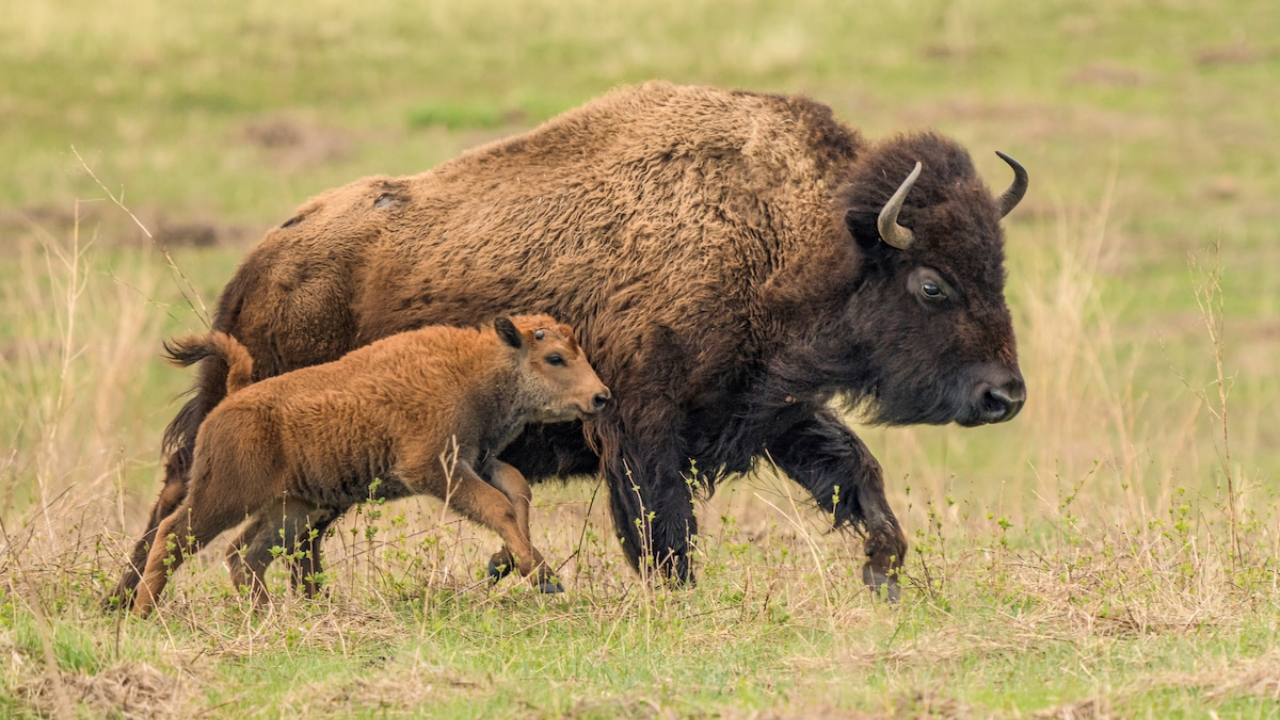
Bison Reintroduction in North America: The return of the American bison is quietly transforming vast grasslands across the continent. The bison reintroduction in North America is no longer just a conservation story. It has become a proven ecological strategy that is repairing damaged prairies, restoring wildlife balance, and improving soil health naturally.
Over 50,000 bison now roam protected lands, and scientists are closely studying how this powerful species is rebuilding ecosystems that were once pushed to the brink of collapse. The growing success of bison reintroduction in North America shows how nature, when given the chance, can repair itself in remarkable ways.
Bison Reintroduction in North America
The modern push for bison reintroduction in North America is focused on restoring the natural processes that shaped the continent for thousands of years. Conservationists, Indigenous communities, and ecologists are working together to bring bison back to grasslands where they once played a vital ecological role. Unlike cattle, bison move constantly, graze selectively, and interact with the soil in ways that promote healthy plant growth and biodiversity. This large scale restoration effort is helping revive native prairie grasses, improve soil carbon storage, and rebuild natural grazing cycles. The renewed presence of bison is also strengthening cultural traditions and creating sustainable conservation models that benefit both ecosystems and local communities.
Overview Table
| Key Aspect | Details |
| Total Bison Reintroduced | Over 50,000 across North America |
| Main Purpose | Restore ecosystems and natural grazing cycles |
| Soil Impact | Compaction and aeration improve seed growth |
| Grassland Effect | Native grasses regenerate and diversify |
| Biodiversity | Supports birds, insects, and wildflowers |
| Carbon Storage | Healthy prairies trap carbon underground |
| Fire Risk | Grazing reduces dry vegetation and wildfire fuel |
| Cultural Importance | Revives Indigenous traditions and stewardship |
| Key Regions | USA and Canada prairie restoration zones |
| Conservation Leaders | Indigenous nations and ecological programs |
Why Bison Are Being Reintroduced
For thousands of years, millions of bison shaped the North American plains. Their grazing, migration, and soil disturbance created a balanced ecosystem that supported diverse plant and animal life. By the late nineteenth century, uncontrolled hunting and habitat destruction reduced bison populations to only a few hundred animals.

The goal of bison reintroduction in North America today is not only to save the species but to restore entire prairie ecosystems. Conservation programs aim to rebuild natural grazing cycles, revive native grasses, improve soil fertility, and strengthen climate resilience. Bison are now recognized as ecosystem engineers because their behavior influences plant growth, soil structure, and biodiversity across large landscapes.
Two Key Ways Bison Are Healing the Land
Soil Compaction and Aeration
Bison are massive animals, often weighing more than 900 kilograms. As they move across grasslands, their hooves press and churn the soil. This natural disturbance creates small pockets that help seeds settle and germinate. It also improves water absorption and reduces runoff. Scientists studying bison reintroduction in North America have found that these soil changes encourage healthier plant growth and improve microbial activity underground.
Native Grass Regrowth
Unlike cattle, bison do not graze continuously in one spot. They move frequently and graze selectively, allowing vegetation to recover naturally. Their grazing stimulates plant roots, encouraging stronger and deeper growth. Over time, this process restores native prairie grasses and increases plant diversity. Healthy grasslands also support insects, birds, and other wildlife that depend on open prairie ecosystems.
Where Bison Are Being Reintroduced
The expansion of bison reintroduction in North America spans large prairie regions in both the United States and Canada. Conservation efforts focus on restoring ecosystems rather than simply increasing animal numbers. Bison are now found in protected parks, Indigenous reserves, and conservation lands where ecological restoration is the main objective.

Major reintroduction areas include Montana, South Dakota, and Wyoming in the United States, as well as Alberta, Saskatchewan, and Manitoba in Canada. Important conservation locations include Yellowstone National Park, Badlands National Park, Grasslands National Park in Canada, the Fort Belknap Indian Reservation, and the Tallgrass Prairie Preserve in Oklahoma. These landscapes provide the space and conditions necessary for bison to influence ecosystems naturally.
What Science Says About Their Impact
Ecologists monitoring bison reintroduction in North America are documenting clear environmental benefits. One of the most visible effects is increased biodiversity. Bison maintain open grasslands that support pollinators, wildflowers, birds, and insects. Their dung enriches soil nutrients and promotes microbial life, which improves overall soil fertility.
Another major benefit is wildfire reduction. By grazing dry vegetation, bison lower the fuel load that contributes to grassland fires. Healthy prairies also capture carbon underground, making grasslands important natural carbon storage systems. These ecological improvements are self sustaining and require minimal human intervention once established.
A Cultural and Spiritual Revival, Too
For many Indigenous communities, the return of bison represents cultural restoration as much as ecological recovery. The bison reintroduction in North America is often led by Indigenous nations who view the animal as sacred and central to their heritage. Tribes such as the Blackfeet, Lakota, and Cree are restoring bison herds on tribal lands to revive traditional stewardship practices.

These initiatives promote food sovereignty, cultural education, and economic development. They also reconnect communities with traditional ecological knowledge that guided sustainable land management for generations. The cultural dimension of bison restoration is now considered a key part of long term conservation success.
Challenges and Controversies
Despite the positive outcomes, bison reintroduction in North America faces several challenges. One concern involves conflicts with private landowners and ranchers who fear disease transmission or land competition. Another issue is genetic purity, since some early conservation herds were crossbred with cattle, complicating modern breeding programs.
Fencing and land fragmentation also limit true free ranging migration. Modern landscapes are divided by roads, farms, and infrastructure, making large scale movement difficult. Even with these challenges, conservationists agree that the ecological benefits of bison restoration greatly outweigh the obstacles, and support for expansion continues to grow.
FAQs About Bison Reintroduction in North America
Q1: Why are bison better than cattle for grassland restoration?
Bison graze in natural patterns, move frequently, and allow vegetation to recover. This supports native grasses and maintains ecological balance more effectively than cattle.

Q2: Are reintroduced bison dangerous to humans?
Bison are wild animals and should be respected from a safe distance. Conservation areas enforce strict viewing guidelines to ensure safety.
Q3: Do reintroduced bison need fencing?
Most herds are currently managed within fenced areas, although some programs are working toward open range grazing through wildlife corridors and tracking systems.
Q4: Can bison be reintroduced to more regions?
Yes. Many abandoned farmlands and declining cattle regions are suitable for future rewilding and grassland restoration projects.
Q5: How do bison help fight climate change?
Bison maintain healthy grasslands, which store carbon underground. Their activity improves soil quality and increases water retention, making ecosystems more climate resilient.