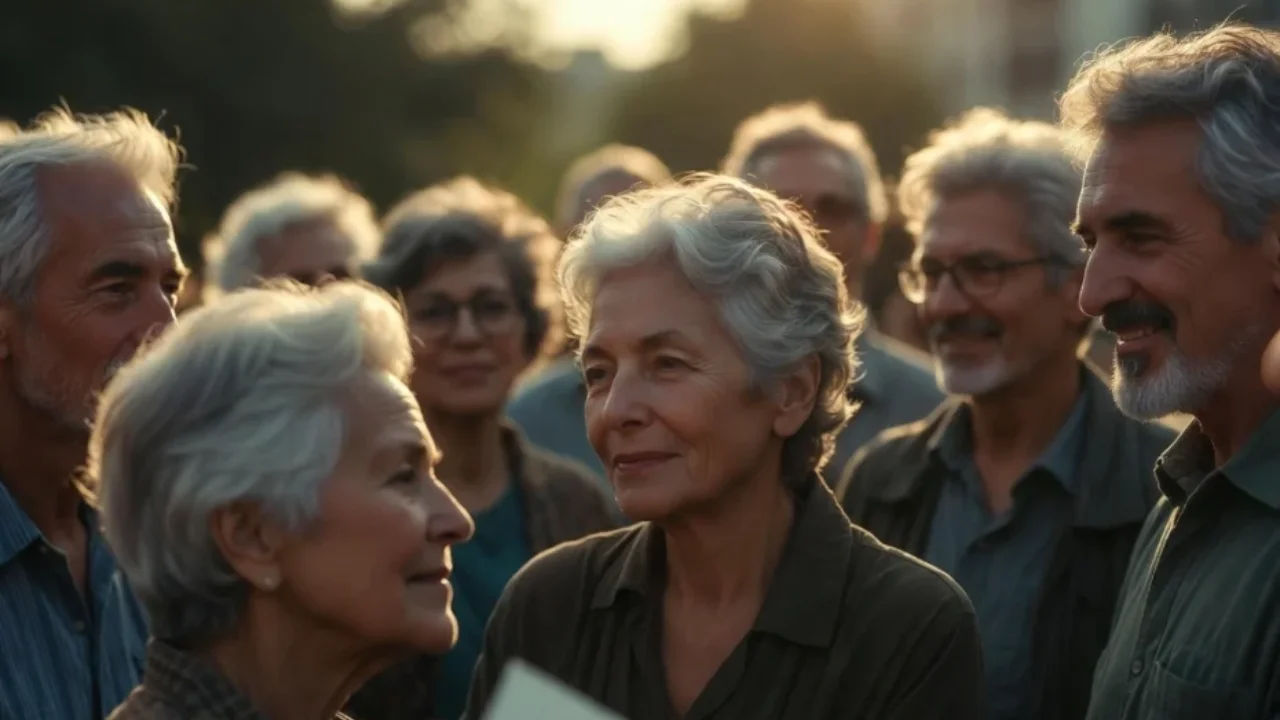
Psychological Strengths of 1960s and 1970s Generation: Psychological Strengths of 1960s and 1970s Generation are often described with pride. People talk about freedom, toughness, and learning to survive without constant supervision. Yet today, those same traits are being reexamined through a psychological lens. The Psychological Strengths of 1960s and 1970s Generation once symbolized grit and maturity, but now experts are asking deeper questions about what those strengths truly cost.
This shift is not about blaming parents or rewriting history. It is about understanding how social pressure, emotional silence, and early independence shaped an entire generation. In this article, we explore how seven powerful traits were formed, why modern psychology sometimes sees them as trauma responses, and how people can reflect on their own experiences with clarity and balance.
Psychological Strengths of 1960s and 1970s Generation
The Psychological Strengths of 1960s and 1970s Generation developed during a time of cultural change, economic stress, and limited emotional awareness. Mental health conversations were rare in the 1960s and 1970s. According to recent 2025 mental health trend reports, therapy use among adults over 55 has increased by more than 35 percent compared to a decade ago. This suggests that many from this era are now revisiting their emotional history.
Children in that period were often expected to handle responsibilities early. Emotional expression was discouraged in many homes. As a result, resilience became part of identity. Today, psychologists view these traits with more nuance. They recognize both the strength and the survival response behind them. Understanding this balance helps people make sense of lifelong patterns in relationships, work, and self worth.
Overview Table
| Key Theme | What It Means Today |
| Hyper independence | Difficulty asking for help |
| Emotional numbness | Disconnection from feelings |
| Conflict tolerance | Accepting unhealthy tension |
| Loyalty at all costs | Fear of abandonment |
| Stoic responsibility | Childhood emotional burden |
| People pleasing | Avoiding rejection |
| Just get on with it mindset | Suppressed emotional needs |
| Early autonomy | Independence without support |
| Silent coping | Internalized stress patterns |
| Resilience and trauma coexist | Strength and wounds together |
The seven “strengths” the 60s and 70s quietly hard wired
The Psychological Strengths of 1960s and 1970s Generation include seven core traits that show up repeatedly in research and therapy sessions.
Hyper independence developed when children learned that relying on adults did not always lead to comfort. Many walked to school alone, solved their own problems, and rarely asked for help.

Emotional numbness became a shield. When fear or sadness was dismissed, shutting down feelings felt safer than expressing them.
Conflict tolerance formed in homes where arguments, strict discipline, or tension were common. Children learned to endure rather than confront.
Loyalty at all costs often grew from fear of losing connection. Staying committed felt safer than risking separation.
Stoic responsibility appeared when children took on adult roles early. Some cared for siblings or managed household tasks beyond their years.
People pleasing became a survival skill. Keeping adults calm reduced stress and protected attachment.
The ability to just get on with it turned into a badge of honor. Complaining was seen as weakness, so endurance became identity.

These traits supported success in demanding workplaces during the 1980s and 1990s. However, today they are being reconsidered through trauma informed psychology.
From resilience to trauma: how the story flips in therapy rooms
In therapy rooms today, many adults from this era begin by describing their childhood as normal. They say their parents worked hard and did their best. But deeper conversations reveal hidden fear, loneliness, or emotional neglect.
The Psychological Strengths of 1960s and 1970s Generation are often reframed as adaptive responses. For example, hyper independence may reflect a nervous system that learned early self protection. Emotional numbness may signal chronic stress exposure during childhood.
Modern trauma research in 2026 highlights how repeated stress shapes brain development. When children experience consistent emotional dismissal, their stress response system adapts. This adaptation creates resilience, but it can also limit emotional intimacy later in life.
Therapists frequently ask reflective questions such as when did you first learn that your needs did not matter. This simple question often shifts the story from pride to insight.
What to do when your “strength” is actually a scar that grew muscles
Recognizing the Psychological Strengths of 1960s and 1970s Generation as both strength and scar can feel uncomfortable. Many people worry that acknowledging pain dishonors their parents. That is not the case. It is possible to respect context while naming personal experience.

Psychologists often suggest practical reflection exercises:
- Write down one strength you value and explore when it first developed
- Notice how it serves you today and where it creates stress
- Practice one small behavior that challenges the pattern
For example, someone known for never asking for help might intentionally request support once a week. Someone who prides themselves on staying calm during crisis could practice identifying daily emotional sensations.
Research in 2025 shows that small emotional awareness practices can reduce stress markers by up to 20 percent over several months. Change does not require dramatic life shifts. It requires steady awareness.
Living with both stories at once
The most healing insight around the Psychological Strengths of 1960s and 1970s Generation is that resilience and trauma can coexist. A child can be brave and frightened at the same time. An adult can be capable and wounded in equal measure.
Family conversations are slowly evolving. Adults in their fifties and sixties are sharing more honest reflections with siblings and children. Instead of defending the past, many are exploring it with curiosity.
This balanced view removes extremes. It avoids labeling childhood as entirely damaged or entirely perfect. It honors strength while allowing space for grief.

When both truths are accepted, relationships often soften. Emotional connection deepens. Self criticism decreases.
Why this topic matters now
Search trends in 2026 show rising interest in generational trauma, emotional neglect recovery, and late life personal growth. Many adults raised in the 1960s and 1970s are entering retirement or major life transitions. These moments often trigger reflection.
Understanding the Psychological Strengths of 1960s and 1970s Generation provides clarity. It explains patterns in leadership style, parenting, marriage, and health. It also opens the door to healthier boundaries and deeper emotional connection.
Growth does not have an age limit. Emotional awareness can expand at any stage of life.
FAQs
1. How do I know if my strength is actually a trauma response
If the trait feels automatic, exhausting, or harms relationships, it may have started as protection rather than choice.
2. Can resilience and trauma exist together
Yes. Strength often develops in response to stress. Both can be true at the same time.

3. Is it too late to change in my sixties or seventies
No. Brain research confirms that emotional learning continues throughout life.
4. What therapy approaches help most
Attachment based therapy, trauma informed counseling, and somatic approaches are commonly recommended.
5. How can I talk about this with my family
Start with your personal experience. Speak calmly and share insights rather than placing blame.