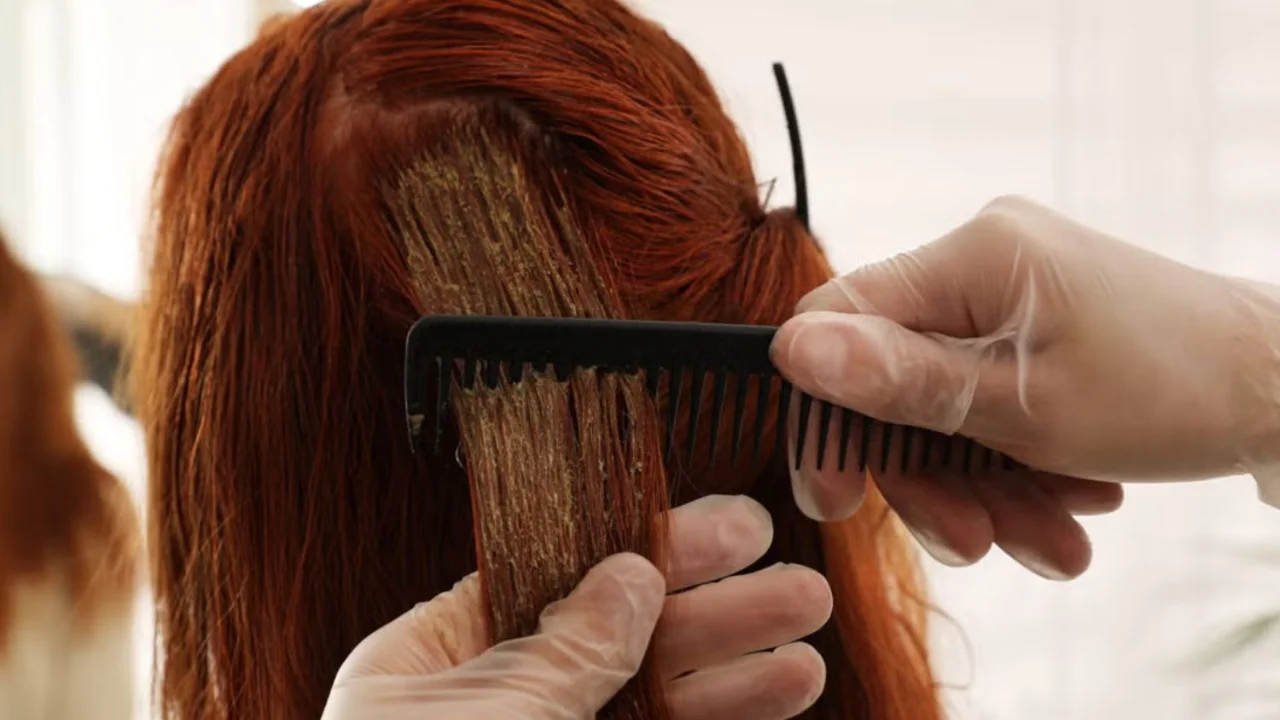
Henna Based Hair Dye Recipes: Henna Based Hair Dye Recipes are making a strong comeback in 2026 as more people move away from harsh chemical dyes. If you have ever worried about dryness, breakage, or scalp irritation after coloring your hair, you are not alone. Clean beauty trends are growing fast this year, and natural hair coloring methods are leading the way. That is exactly why Henna Based Hair Dye Recipes are becoming a top search term for people who want safe, plant based solutions that truly work.
This guide explains everything you need to know about using henna for hair coloring. You will learn how it works, how to choose pure henna, how to mix it correctly, and how to create different shades naturally. Whether your goal is to cover gray hair, add shine, or switch to chemical free hair dye, this article will give you clear and practical answers.
Henna Based Hair Dye Recipes
Henna Based Hair Dye Recipes use finely ground powder from the Lawsonia inermis plant to naturally stain the hair shaft. Unlike synthetic dyes that open the hair cuticle and alter its structure, henna binds to keratin and forms a protective coating around each strand. This process strengthens the hair while adding rich, multi dimensional color. Many people searching for natural hair dye for gray coverage or herbal hair color solutions are turning to henna because it offers long lasting results without ammonia or peroxide. When prepared properly, henna delivers shades ranging from copper and auburn to deep brown, depending on your base color and added herbs.
Overview Table
| Topic | Key Insight |
| Main Ingredient | Lawsonia inermis plant powder |
| Coloring Method | Binds to keratin and coats hair shaft |
| Chemical Free | No ammonia, no peroxide, no metallic salts if pure |
| Color Range | Copper, auburn, chestnut, deep brown |
| Gray Coverage | Blends gray into warm highlights |
| Processing Time | 2 to 4 hours application |
| Color Development | Deepens within 48 hours |
| Added Ingredients | Amla, indigo, cassia, tea, coffee |
| Hair Benefits | Adds shine, strength, thickness |
| Maintenance | Root touch up every 4 to 6 weeks |
Hair Dye Made with Henna
Henna has been used for thousands of years across different cultures for body art and hair coloring. What makes it special is the natural pigment called lawsone. When mixed with warm liquid, this pigment releases slowly and attaches to the outer layer of the hair.
Unlike permanent chemical dyes, henna does not strip away your natural pigment. Instead, it enhances what you already have. This is why results look vibrant yet natural. If you search for plant based hair dye that strengthens hair, henna often appears at the top for good reason. Many users report thicker feeling strands and noticeable shine after just one treatment.
Choosing Henna That Is Pure and Honestly Labeled
Quality matters more than anything when using Henna Based Hair Dye Recipes. Pure henna should contain only one ingredient, which is Lawsonia inermis powder. It should look green and smell fresh and earthy.
Avoid products labeled as compound henna or black henna unless you verify the ingredients carefully. Some low quality blends contain metallic salts or synthetic dyes. These can react badly with previously colored hair. Always read labels and buy from trusted herbal suppliers.

Fresh henna produces stronger color results. If the powder smells weak or looks brown instead of green, it may be old.
Making a Simple Henna Kit
You do not need expensive tools for Henna Based Hair Dye Recipes. Keep the setup simple and practical.
Use a glass or ceramic bowl for mixing. Avoid reactive metals. Wear gloves to protect your hands from staining. Keep an old towel nearby and use plastic wrap to cover your hair after application.
Henna is not a quick process. It requires patience. Think of it as a self care ritual rather than a rushed appointment. The slow dye release is what makes the color rich and long lasting.
A Classic Henna Recipe for Warm Copper Colors
If you want soft copper tones, start with a basic recipe.
Mix pure henna powder with strong warm tea until it reaches a yogurt like texture. Let the paste sit for four to eight hours so the dye can release. Apply evenly to clean hair and leave it on for two to four hours.
When you rinse, the shade may look bright at first. Over the next two days, oxygen deepens the color into a natural copper or auburn tone. This is one of the simplest and most searched Henna Based Hair Dye Recipes for beginners.

Making Auburn and Brown Colors with Plant Blends
Henna alone gives red and copper tones. To achieve darker shades, natural plant powders are added.
For auburn shades, mix henna with amla powder. Amla cools down strong red tones and creates a balanced finish.
For brown or dark brown hair, use a two step process. First apply henna. After rinsing, apply indigo powder mixed with water. Indigo darkens the base and creates chestnut or chocolate shades.
These layered Henna Based Hair Dye Recipes are popular among people looking for natural brown hair dye without chemicals.
Common Natural Add Ins and What They Do
Customizing your mix can improve both color and hair health.
Amla helps reduce bright orange tones.
Indigo creates deeper brown shades.
Cassia adds shine and a soft golden glow.
Black tea or coffee enhances depth.
Chamomile brightens lighter hair gently.
Aloe vera gel improves moisture balance.
Lavender or rosemary oil improves scent and scalp comfort.
Using these natural ingredients allows you to tailor Henna Based Hair Dye Recipes to your hair type and color goals.

Henna Gloss for a Soft Color and Extra Shine
Not ready for full coverage? A henna gloss is a gentle option.
Mix a small amount of prepared henna paste with silicone free conditioner. Apply it like a deep conditioning mask and leave it on for about one hour. This method gives subtle warmth and shine without dramatic color change.
Many first time users try gloss treatments before committing to full strength Henna Based Hair Dye Recipes.
Layering to Find the Right Shade
Henna color builds gradually. Each application deepens and enriches the tone. This makes it ideal for people who prefer control over dramatic change.
Light hair turns golden copper. Medium hair becomes auburn or chestnut. Dark hair reveals red undertones in sunlight. Gray hair blends into warm highlights instead of standing out sharply.
Since henna is permanent, start lighter and build over time.
Testing for Safety, Patches, and Hair History
Even though henna is natural, safety steps are important.

Always perform a patch test 24 to 48 hours before full application. If your hair was previously treated with chemical dyes, especially products containing metallic salts, test a small hidden section first.
Protect your hairline with oil to prevent staining. Ensure proper airflow during application. Pure henna is generally safe, but caution ensures smooth results.
Long Term Color Results and Aftercare
After rinsing henna, avoid shampoo for the first day if possible. This allows oxidation to complete and the color to settle fully.
Use gentle, low sulfate shampoos to maintain shine. Deep condition regularly. Root touch ups are usually needed every four to six weeks.
With proper care, Henna Based Hair Dye Recipes provide long lasting color that looks healthy and vibrant.
FAQs
1. Does henna completely cover gray hair?
Yes, henna coats gray hair effectively. Gray strands turn copper or auburn and blend naturally with the rest of your hair.
2. How long does henna last on hair?
Henna is permanent because it binds to keratin. The shade may soften slightly over time but does not fully wash out.

3. Can henna damage hair?
Pure henna does not damage hair. It strengthens and thickens strands when used correctly.
4. How often should I use henna?
Most people apply henna every four to six weeks for root maintenance or color refresh.
5. Can I switch back to chemical dye after henna?
Yes, but ensure the henna used was pure and free from metallic salts. Always perform a strand test before applying chemical dye.