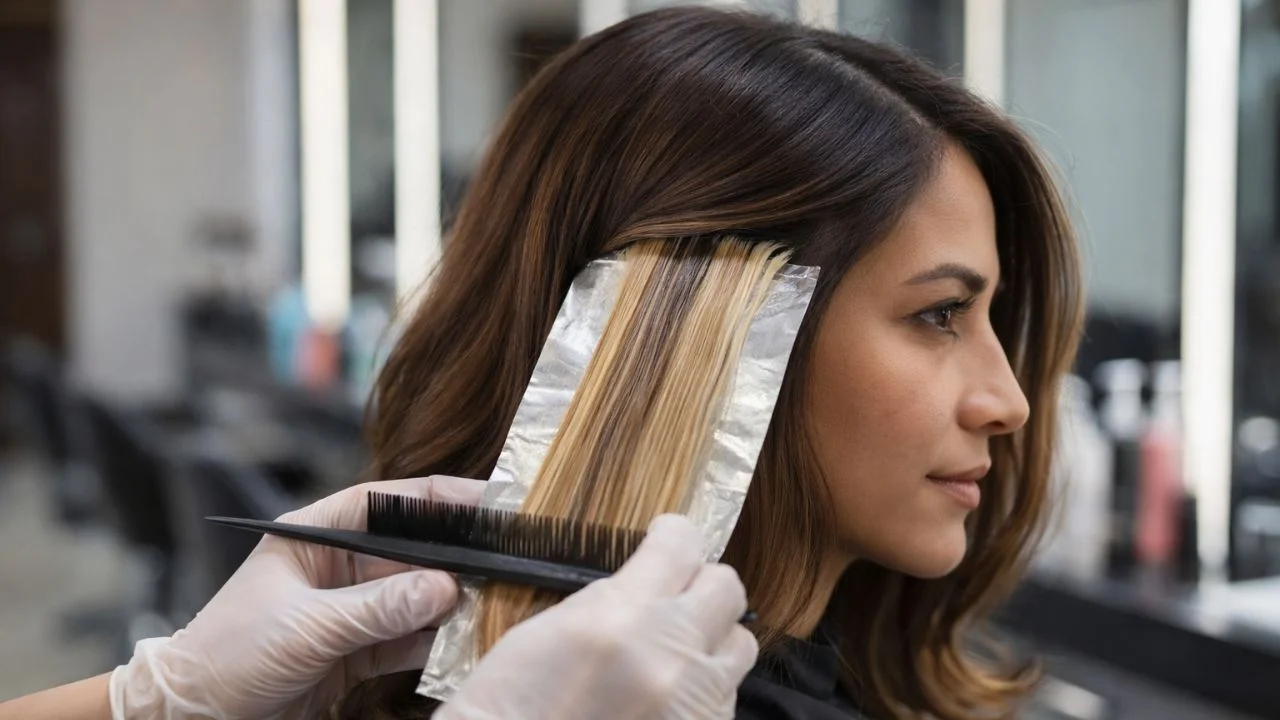
Natural Grey Coverage Methods: Natural Grey Coverage Methods are becoming the first choice for people who want to soften their grey hair without relying on harsh dyes. In 2026, more individuals are rethinking how they deal with ageing hair. Instead of covering every strand with chemical colour, they are turning to gentler options that protect scalp health and improve shine. Natural Grey Coverage Methods are no longer a niche idea. They are part of a larger beauty shift focused on simplicity, wellness, and confidence.
This growing interest in Natural Grey Coverage Methods reflects a change in how people define beauty. The goal is not perfect, flat colour anymore. It is about blending greys naturally, keeping hair healthy, and reducing damage from repeated dye sessions. In this guide, you will learn why hair turns grey, why traditional dyes are losing popularity, and how natural solutions like cocoa, tea, and herbal rinses are helping people achieve softer, more balanced hair colour.
Natural Grey Coverage Methods
Natural Grey Coverage Methods are designed for people who want subtle blending instead of complete coverage. These approaches use plant-based ingredients and kitchen staples to gently tint grey strands while improving hair texture. Unlike permanent hair dye that penetrates deep into the cuticle, these methods coat the surface of the hair and fade gradually over time. This makes them ideal for anyone looking for low maintenance grey hair solutions. They also suit people with sensitive scalps who want to avoid ammonia and strong chemicals. When used consistently, natural grey blending techniques can reduce the sharp contrast between dark hair and bright white strands, creating a softer, more youthful frame around the face without long term damage.
Overview of Natural Grey Coverage Methods
| Topic | Key Insight |
| Main Purpose | Blend grey hair naturally without harsh chemicals |
| Popular Ingredients | Cocoa, coffee, black tea, sage, rosemary |
| Best For | 40 to 50 percent grey hair |
| Coverage Type | Soft blending, not full permanent colour |
| Maintenance Level | Low to moderate |
| Application Frequency | Weekly or biweekly depending on hair tone |
| Benefits | Adds shine, improves texture, reduces frizz |
| Risks | Possible sensitivity, product build up |
| Ideal Users | People avoiding chemical dyes |
| Trend Status 2026 | Growing global interest in clean beauty |
What Makes Hair Turn Grey and How It Changes Your Look
Hair turns grey because the pigment cells in the hair follicle slow down melanin production. Age is the main factor, but genetics, stress, diet, and lifestyle also play a role. When melanin decreases, new strands grow without colour, appearing grey or white.
Grey hair also feels different. It tends to be drier and more coarse because the scalp produces less natural oil over time. Many people notice frizz, dullness, and uneven texture. A few bright white strands in dark hair can highlight fine lines and shadows on the face. This is often why people search for Natural Grey Coverage Methods instead of accepting the sharp contrast.

Why People Are Losing Interest in Traditional Hair Dye
Permanent hair dyes have been the go to option for decades. However, they contain strong chemicals that open the hair cuticle to deposit colour. Over time, repeated use weakens hair strands and causes dryness or breakage.
Root regrowth is another common issue. Within weeks, new grey hair appears at the scalp, requiring frequent touch ups. In 2026, the clean beauty movement continues to grow, with more consumers choosing low chemical or chemical free hair care products. Many are now replacing salon dye sessions with Natural Grey Coverage Methods that are easier to maintain and kinder to the scalp.
The Increasing Popularity of Natural Darkening Methods
Natural darkening methods are trending across social media and beauty forums this year. Cocoa powder, coffee rinses, and herbal infusions are gaining attention because they are affordable and simple.
These ingredients do not permanently alter hair colour. Instead, they add a sheer tint that builds gradually. Cocoa, in particular, is praised for its ability to soften grey strands and enhance shine. As part of Natural Grey Coverage Methods, cocoa acts like a tinted conditioner that improves both tone and texture over time.
How Cocoa Softens Grey Hair Gently
Cocoa works by lightly coating the hair shaft with a brown tint. This soft layer reduces the brightness of white strands, helping them blend into darker hair. The effect is natural and subtle.

When mixed with conditioner, cocoa also improves moisture retention. Grey hair often feels rough and dry, so added hydration makes a visible difference. Many people who follow Natural Grey Coverage Methods report smoother strands, better shine, and easier styling after consistent use.
A Simple Cocoa Treatment You Can Do at Home
One reason people love Natural Grey Coverage Methods is their simplicity. A basic cocoa mask requires only pure cocoa powder and a lightweight conditioner.
- Mix one tablespoon of unsweetened cocoa powder with enough conditioner to create a smooth paste.
- Apply to clean, towel dried hair.
- Focus on temples, hairline, and parting.
- Leave on for 15 to 20 minutes.
- Rinse with warm water without shampooing immediately.
This gentle routine can be repeated once or twice a week. Always perform a patch test to check for sensitivity.
Results You Can Expect Based on Hair Colour
Results vary depending on your base colour.
- Brown hair blends quickly and develops a warmer tone.
- Medium brown hair gains depth and richness.
- Dark brown or black hair experiences enhanced shine with slight warmth.
- Blonde hair may develop uneven tones and should test carefully.
It is important to remember that Natural Grey Coverage Methods focus on blending, not dramatic colour transformation.

Can Softening Greys Make You Look Younger
Grey hair does not automatically make someone look older. However, strong contrast between dark strands and bright white hairs can highlight facial lines.
Reducing that contrast creates a softer frame around the face. Smooth and hydrated hair reflects more light, making skin appear fresher. Many people find that Natural Grey Coverage Methods help them look more balanced without losing their natural identity.
When Natural Colour Methods Are Most Effective
These methods work best for individuals with partial grey coverage. If more than half of your hair is grey, results will be softer and less noticeable. Patience and consistency are important.
Using a mild clarifying shampoo every few weeks helps prevent product build up. Even though these treatments are natural, scalp sensitivity can still occur. Responsible use ensures better results with Natural Grey Coverage Methods over time.
Other Soft Things You Can Use with Cocoa
Beyond cocoa, several gentle options can support your routine.

- Black tea or coffee rinses to deepen darker shades.
- Sage and rosemary infusions for subtle darkening and scalp freshness.
Rotating these options prevents the colour from becoming too warm. Combining them with proper nutrition and scalp care strengthens new hair growth. While no method can stop greying completely, a balanced diet rich in iron, zinc, and omega fatty acids supports healthier strands.
How This Trend Is Changing What Is Beautiful
The beauty industry in 2026 is shifting toward authenticity. Perfect, uniform colour is no longer the only standard. Social media trends now celebrate blended greys and natural texture.
Natural Grey Coverage Methods align with this mindset. They allow individuals to soften greys without hiding them entirely. This approach respects ageing while maintaining style. It also reduces dependence on frequent salon visits and strong chemical treatments.
FAQs
1. Do Natural Grey Coverage Methods permanently cover grey hair?
No. They provide temporary blending that fades gradually with washing.
2. How long does cocoa treatment last?
Results usually last until the next few washes. Regular weekly use builds subtle tone.

3. Are natural methods safer than chemical dyes?
They are generally gentler, but patch testing is still necessary.
4. Can these methods work on fully grey hair?
They can soften tone slightly, but full coverage is unlikely.
5. How often should I use Natural Grey Coverage Methods?
Once or twice a week is common, depending on hair type and desired depth.