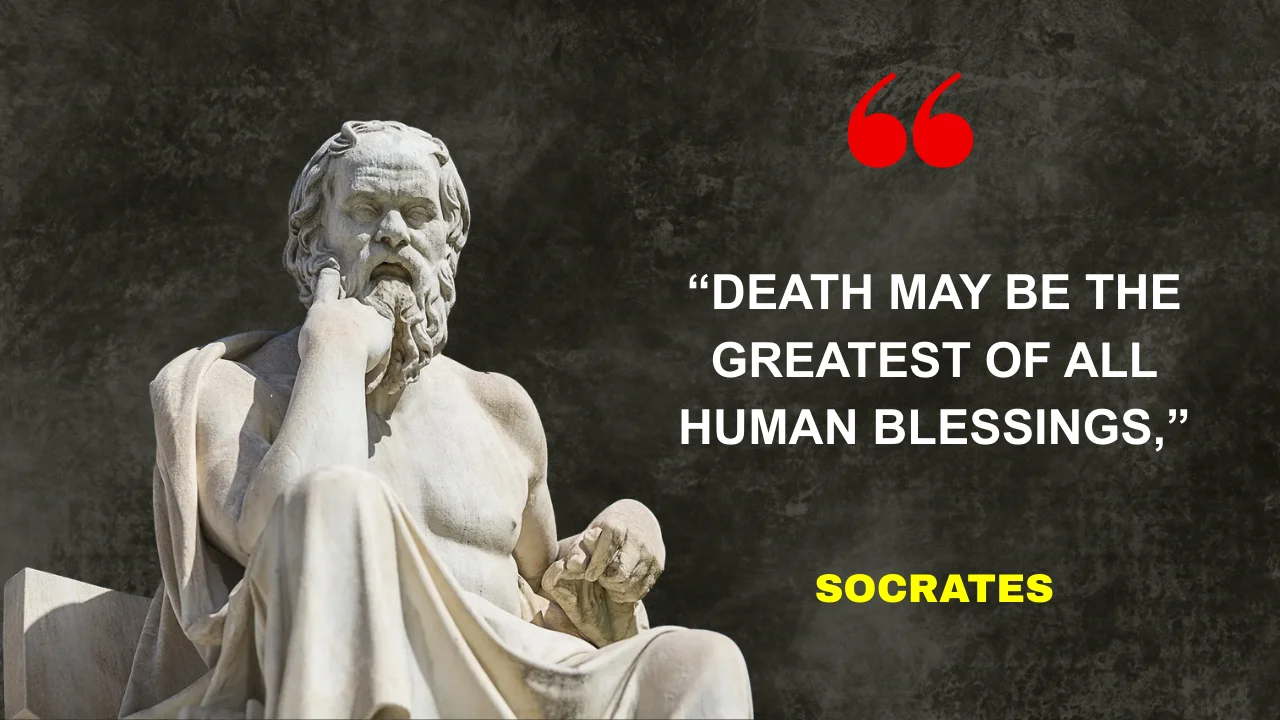
Quote of the Day by Socrates: Quote of the Day by Socrates continues to spark deep reflection even in 2026. When you first read the line, “Death may be the greatest of all human blessings,” it may feel shocking. Most people fear death. Yet Quote of the Day by Socrates invites us to pause and rethink what we believe about life, fear, and the unknown. It pushes us to question whether our fear comes from truth or simply from habit.
In this article, you will explore the real meaning behind this powerful statement, its philosophical roots, and why it still feels relevant in modern times. We will also look at practical examples, lessons for daily life, and how this ancient idea connects with today’s conversations around mental health, resilience, and purpose.
Quote of the Day by Socrates
Quote of the Day by Socrates is more than a dramatic sentence spoken at a trial. It is a reflection of how Socrates lived and how he chose to face death. Spoken during his defense speech in Athens, the quote shows his calm acceptance of the unknown. Instead of begging for mercy, he explained that death might be either a peaceful sleep or a journey of the soul to another place. Both possibilities, in his view, were not harmful. This perspective encourages readers today to rethink fear, embrace courage, and focus on ethical living. In a world filled with anxiety about uncertainty, this timeless quote continues to inspire thoughtful reflection and inner strength.
Overview Table
| Aspect | Details |
| Full Quote | Death may be the greatest of all human blessings |
| Philosopher | Socrates |
| Time Period | 469 to 399 BCE |
| Recorded By | Plato |
| Source Work | Apology |
| Core Theme | Fearlessness toward death |
| Central Idea | Death may not be evil |
| Philosophical Focus | Ethics and self examination |
| Modern Connection | Mental resilience and acceptance |
| Reader Takeaway | Live with courage and integrity |
Quote of the Day: ‘Death May be the Greatest of All Human Blessings’ by Socrates
This famous line comes from Socrates’ defense speech during his trial in Athens. He was accused of corrupting the youth and disrespecting traditional beliefs. Despite having the chance to escape, he chose to accept the court’s decision.
According to historical accounts recorded by Plato, Socrates believed death could be one of two things. First, it might be a deep and peaceful sleep without dreams. Second, it could be a transition of the soul to another realm where one could meet other wise individuals. In both cases, he saw no reason for fear.
When you read Quote of the Day by Socrates, you notice that it does not promote death. Instead, it promotes freedom from fear. It challenges the assumption that death is automatically the worst thing that can happen.

Socrates’ Quote Meaning
The true meaning of this quote lies in perspective. Socrates argued that fearing death means claiming knowledge that we do not have. No one truly knows what happens after life ends. So assuming it is terrible may be a mistake.
In modern psychology, fear of death is often linked to anxiety disorders. According to recent global mental health reports in 2025, anxiety remains one of the most common mental health concerns worldwide. This makes Quote of the Day by Socrates highly relevant. It reminds us that fear often grows from uncertainty.
Socrates suggests that instead of fearing death, we should focus on living rightly. Ethical behavior, self reflection, and honesty matter more than worrying about something beyond our control.
Socrates Philosophical Background
Socrates was born in ancient Athens and became one of the founders of Western philosophy. He did not write books himself. His student Plato recorded his teachings. Socrates believed in asking questions to uncover truth. This approach is now known as the Socratic method.
He encouraged people to examine their lives. He believed that a life without reflection lacks depth and purpose. This philosophy placed him in conflict with authorities.
When sentenced to death, he could have escaped with help from friends. However, he refused. He believed escaping would violate the laws he had lived under. His actions give deeper weight to Quote of the Day by Socrates because he truly practiced what he taught.

Socrates Quote: Modern World Relevance
In 2026, discussions around death and mental health are more open than ever. Social media, global crises, and personal stress have increased conversations about fear, loss, and uncertainty. Many people seek meaning during unstable times.
This is where Quote of the Day by Socrates becomes powerful. It encourages acceptance. It teaches resilience. Instead of running from fear, it suggests examining it calmly.
For example, people facing terminal illness often find comfort in philosophical reflection. Viewing death as peaceful rest can reduce emotional suffering. In addition, those dealing with career uncertainty or personal setbacks can learn from this mindset. If even death is not the ultimate evil, then temporary failures should not control us.
Modern self development trends also emphasize mindfulness and acceptance. Socrates spoke about these ideas centuries ago in a simple but bold way.
Socrates’ Quote Between Life and Death
There is a deep connection between understanding death and improving life. When people accept that life is temporary, they often live more fully. They prioritize relationships, honesty, and meaningful work.
Quote of the Day by Socrates suggests that courage in the face of death leads to courage in daily living. If death is not something to panic about, then speaking truth, taking risks, and standing by principles become easier.

Consider someone afraid to change careers because of uncertainty. Fear of loss often blocks growth. Reflecting on this quote can help shift focus from fear to purpose. When you value integrity over comfort, your decisions become stronger.
This perspective does not remove sadness from loss. Instead, it reduces unnecessary fear. It creates emotional balance.
Practical Example in Real Life
Imagine a person diagnosed with a serious illness. Instead of spending every moment in fear, they choose to reflect on what truly matters. They reconnect with family, forgive old conflicts, and focus on gratitude. This is a living example of the message behind Quote of the Day by Socrates.
Another example can be seen in leadership. Leaders who are not afraid of criticism or failure often make bold and ethical choices. They understand that reputation and comfort are temporary. Character lasts longer.
When applied daily, this quote encourages bravery in conversations, honesty in relationships, and commitment to values.
Lessons Hidden in the Quote
Here are important lessons from Quote of the Day by Socrates

- Fear often comes from lack of knowledge
- Ethical living matters more than survival
- Acceptance builds mental strength
- Reflection leads to clarity
- Courage improves decision making
These lessons connect ancient wisdom with modern challenges.
FAQs
1. What is the main message of Quote of the Day by Socrates?
The main message is that death should not automatically be feared because no one truly knows its nature.
2. Where was this quote originally mentioned?
It was recorded by Plato in his work Apology, which describes Socrates’ trial.
3. Why did Socrates accept his death sentence?
He believed escaping would go against his principles and respect for law.
4. How is Quote of the Day by Socrates relevant in 2026?
It connects strongly with modern discussions about anxiety, resilience, and living with purpose.
5. Can this quote help with fear of failure?
Yes. It encourages people to focus on values and integrity rather than fear of loss or uncertainty.