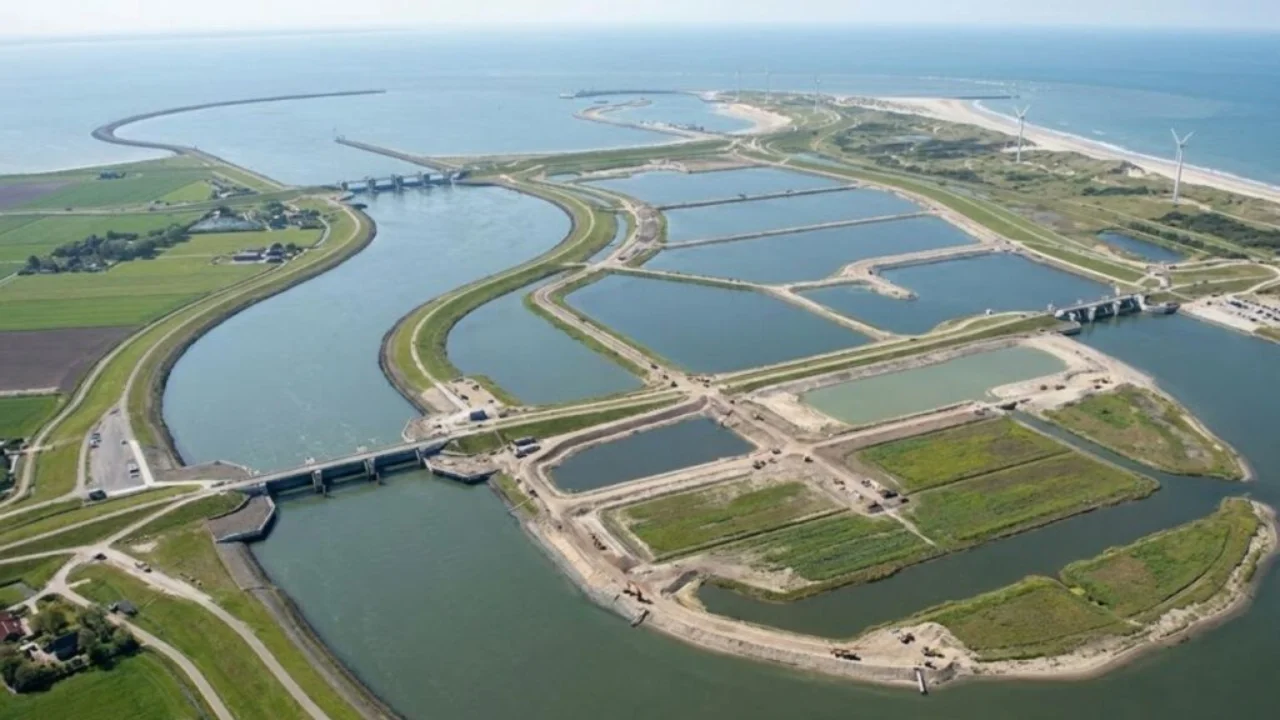
Netherlands Land Reclamation Project: For centuries, the Netherlands has lived with water as both a threat and a partner. Today, that relationship has reached a new level through one of the most ambitious engineering efforts in modern history. The Netherlands Land Reclamation Project has quietly transformed coastlines, redirected rivers, and created new land where the sea once dominated. While the changes have not always made global headlines, the impact is undeniable. The Netherlands Land Reclamation Project is helping the country stay ahead of rising sea levels, protect communities, and expand usable land in a nation where space has always been limited.
This remarkable transformation reflects long term planning, advanced engineering, and deep environmental awareness. Rather than simply fighting water with higher barriers, Dutch planners chose a smarter path. They redesigned river routes, reshaped coastal areas, and created controlled flood zones that work with nature instead of resisting it. The result is a safer, stronger, and more sustainable landscape that continues to evolve.
Netherlands Land Reclamation Project
The Netherlands Land Reclamation Project represents a bold shift in how nations respond to climate threats and land scarcity. Instead of relying only on traditional flood defenses, the Dutch adopted a strategy that combines river diversion, coastal redesign, and ecological restoration. This approach allows rivers to spread safely into designated areas during heavy rainfall while protecting cities and farmland. Over the past decade, this method has not only reduced flood risks but also created thousands of hectares of new land for housing, agriculture, and nature reserves. The Netherlands Land Reclamation Project is now viewed as a global model for climate adaptation, blending advanced hydrology, smart engineering, and environmental balance to reshape the country’s coastline and secure its future.
| Key Aspect | Details |
| Project Name | Netherlands Land Reclamation Project |
| Duration | Over a decade of continuous development |
| Main Strategy | Redirecting rivers and reshaping coastlines |
| Major Rivers Involved | Rhine, Meuse, and IJssel branches |
| Core Goal | Flood protection and land expansion |
| Key Program | Room for the River |
| Major Coastal Expansion | Maasvlakte 2 |
| Ecological Initiative | Marker Wadden Islands |
| Land Created | Thousands of hectares reclaimed |
| Global Impact | Model for climate adaptation worldwide |
Why the Netherlands Needed to Reclaim More Land
A large portion of the Netherlands lies below sea level, making flooding a constant concern. Climate change has intensified this challenge through rising sea levels, heavier rainfall, and shifting river patterns. Traditional flood defenses such as dikes and levees were no longer enough on their own.
Dutch planners realized the need for a more adaptive strategy. Instead of building higher barriers, they created space for water to move safely. This approach reduced pressure on flood defenses while opening new opportunities for land development, agriculture, and environmental restoration. The Netherlands Land Reclamation Project became a forward looking response to both climate change and limited land availability.

The Secret to Success: Redirecting Entire Rivers
At the heart of the Netherlands Land Reclamation Project is the controlled diversion of major rivers. Sections of the Rhine, Meuse, and IJssel were carefully redirected to improve water flow and reduce flood risks in densely populated areas.
This strategy created room for rivers to expand safely during heavy rain or snowmelt. It also allowed the reclamation of land from estuaries and shallow coastal zones. The process required precise planning, advanced modeling, and long term environmental monitoring. By reshaping how rivers move, the Netherlands transformed its relationship with water while improving national safety.
The Most Ambitious Projects
1. Room for the River Program
This long running initiative reshaped river routes and lowered floodplains to allow controlled flooding in designated zones. Instead of resisting water, the program works with natural flow patterns. It has significantly reduced flood risks and improved river ecosystems.
2. Maasvlakte 2
One of the largest expansions of the Port of Rotterdam, Maasvlakte 2 added more than 2,000 hectares of reclaimed land from the North Sea. Sand was dredged from the seabed to create new coastal land, strengthening the country’s economic and maritime position.
3. Marker Wadden Islands
This ecological project created artificial islands in the Markermeer lake. It improved water quality, restored wildlife habitats, and added usable land while supporting biodiversity. The project highlights how land reclamation can support environmental healing.

Two Key Benefits of the Project
Increased Safety from Flooding
Redirected rivers and controlled flood zones have reduced flood risks for millions living in low lying regions. The Netherlands Land Reclamation Project strengthens protection against extreme weather and storm surges.
Creation of New Usable Land
Reclaimed land provides space for housing, farming, infrastructure, and nature reserves. In a country where land is scarce, this expansion supports long term growth and sustainability.
Technology and Precision Make It Possible
Advanced technology plays a crucial role in the Netherlands Land Reclamation Project. Engineers use hydrological models, satellite data, and climate projections to guide every decision.
Key technologies include GPS guided dredging, smart levees with real time monitoring, and nature based flood defenses such as vegetation that absorbs excess water. Artificial islands and controlled estuaries further support coastal stability. These innovations make the project one of the most advanced land reclamation efforts in the world.
How This Impacts the Coastline
The Dutch coastline has changed gradually but significantly. New beaches, dunes, and wetlands have formed as rivers follow redesigned paths. Some rivers now flow through reclaimed areas before reaching the sea, slowing water movement and reducing flood pressure.

These changes improve protection from storm surges, create opportunities for tourism and recreation, and expand land for agriculture and housing. The Netherlands Land Reclamation Project has quietly reshaped the country’s geography while strengthening coastal resilience.
Environmental Considerations
Despite large scale engineering, environmental balance remains central to the Netherlands Land Reclamation Project. Each development includes ecological assessments and restoration plans.
New wetlands, bird habitats, clean water reserves, and green carbon absorbing zones have been created. Projects such as Marker Wadden were specifically designed to repair damaged ecosystems. This approach shows that land reclamation and environmental protection can work together.
Global Interest Is Growing
Countries facing rising sea levels and coastal flooding are closely studying the Netherlands Land Reclamation Project. Nations such as Bangladesh, Vietnam, and the United States see it as a blueprint for climate resilience.
The Dutch model demonstrates that managing water intelligently can protect communities while creating new land and restoring ecosystems. International research partnerships and knowledge exchanges continue to expand, spreading these strategies worldwide.

FAQs About the Netherlands Land Reclamation Project
Q1: How much land has the Netherlands reclaimed through this project?
Over the past decade, thousands of hectares have been added, including more than 2,000 hectares through Maasvlakte 2 alone.
Q2: Is the project harmful to the environment?
No. Many parts of the Netherlands Land Reclamation Project focus on ecological restoration, including wetlands, wildlife habitats, and water quality improvement.
Q3: Can this project stop rising sea levels?
It cannot stop sea level rise, but it reduces risks by redirecting water safely and strengthening coastal defenses.
Q4: Is land reclamation new for the Netherlands?
No. The Dutch have been reclaiming land for centuries. What is new is the scale, technology, and environmental awareness behind modern projects.
Q5: Will the Netherlands continue reclaiming land in the future?
Yes. Ongoing plans aim to expand land, improve climate resilience, and support sustainable development through continued innovation.