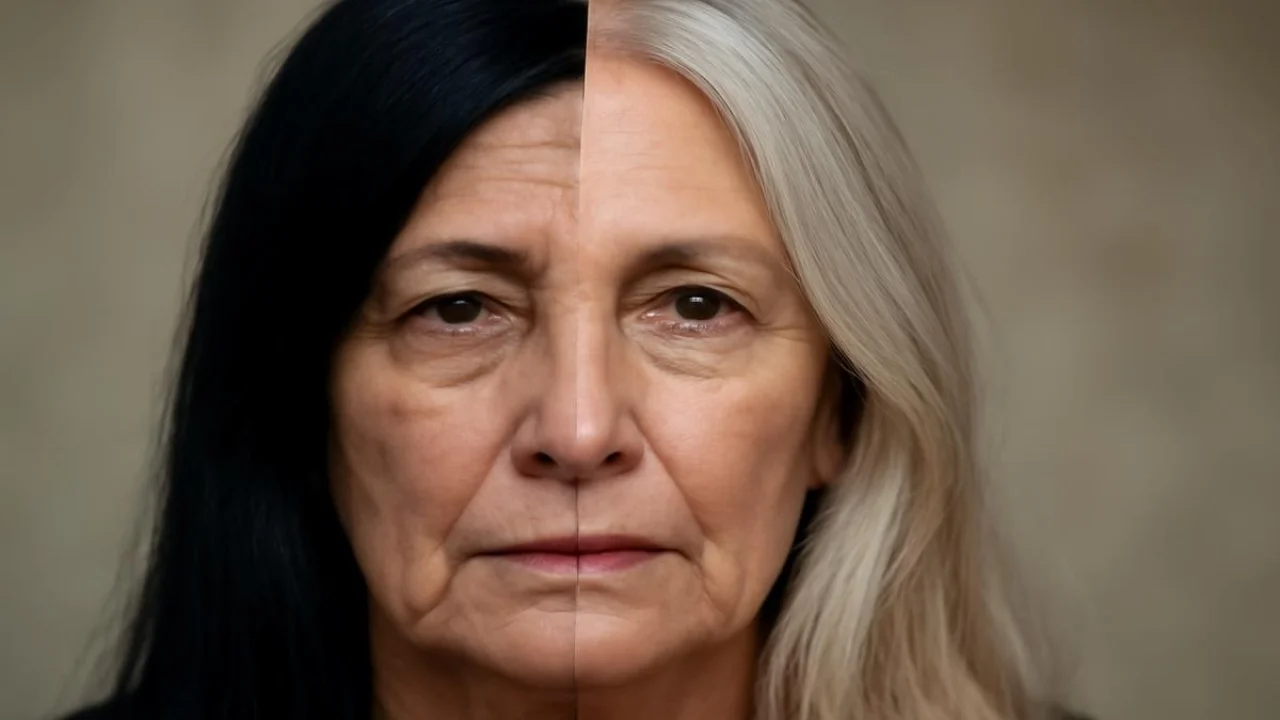
Fine Hair After 60: Fine Hair After 60 can feel like a whole new chapter. The texture changes. The shine is different. The way color sits on the strands is not the same as it was at 40 or even 50. If you have been wondering why your last salon visit did not give you that fresh, lifted look, the answer might not be your haircut. It might be your color choice. Fine Hair After 60 needs a softer, smarter approach.
In 2026, more women are searching for flattering hair color ideas for mature skin, low maintenance hair color for fine hair, and shades that make you look younger after 60. This article breaks down exactly which three hair colors tend to age the face the most, why they do it, and what to ask your hairdresser instead. The goal is simple. Help you choose a color that brightens your face, not one that adds years.
Fine Hair After 60
When it comes to Fine Hair After 60, the biggest shift is not just the presence of gray. It is how the hair behaves. Fine strands lie flatter against the scalp. They reflect less light. Skin tone also becomes lighter and sometimes more uneven. Because of this, strong and flat colors can create harsh contrast and deepen facial shadows. A shade that once looked elegant may now make under eye circles, jawline softness, and fine lines stand out more.
The key with Fine Hair After 60 is balance. Professional colorists in 2026 are focusing on soft dimension, blended gray coverage, and multi tonal techniques like micro highlights and light balayage. Instead of full, opaque color from roots to ends, experts now recommend gentle transitions and lighter face framing pieces. This modern approach keeps hair looking fuller and skin looking brighter, which is exactly what most women want when they search for the best hair color over 60.
Overview Table
| Key Point | Why It Matters |
| Fine hair reflects less light | Flat color can look dull and heavy |
| Skin tone becomes lighter with age | Dark shades create harsh contrast |
| Very dark brunette ages features | Deep shadows look more visible |
| Icy platinum blond washes out skin | Face can look pale and tired |
| Solid copper turns brassy over time | Orange tones highlight skin unevenness |
| Dimension adds volume illusion | Highlights make hair look fuller |
| Two tones from natural is ideal | Keeps harmony with complexion |
| Micro highlights soften gray | Avoids harsh regrowth lines |
| Gloss treatments refresh shine | Less damage than full recolor |
| Soft medium tones lift the face | Creates a fresher overall look |
Why some colors drag the face down after 60
As hair becomes finer, it does not support heavy pigment the same way thick hair does. When color is applied in one solid block, especially a dark or extreme shade, it can sit on the surface and look compact. On fine strands, this creates a flat effect.
Another issue with Fine Hair After 60 is scalp visibility. If you choose a very dark shade, the contrast between the scalp and hair becomes stronger. This can exaggerate thinning areas. At the same time, darker tones tend to cast shadows on the face, making lines and hollows appear deeper.

Professional hairdressers often describe this as a framing problem. If the frame is too strong, it overpowers the picture. Your face should stand out, not the color.
1. Ultra dark, uniform brunette
Deep espresso brown or near black used to be a classic, powerful choice. However, for Fine Hair After 60, it is often the most aging option. The darker the shade, the stronger the contrast with mature skin. This makes features look sharper in a way that is not always flattering.
Uniform dark color also removes movement. Fine hair already lacks volume. When you add a dense, solid brunette, it can cling to the scalp and create a heavy outline around the face.
Color experts now suggest going two shades lighter than your natural dark base. Soft mocha, light chocolate, or warm medium brown with subtle highlights around the face can keep depth without harshness. This small change often brightens the eyes and softens the jawline.
The other two shades that secretly add years
Beyond very dark brunette, there are two other popular shades that frequently age Fine Hair After 60. They may look trendy on social media, but in real life they do not always translate well to fine, mature hair.
The first is extremely light, icy blond. The second is flat copper red that leans orange after a few washes. Both lack nuance and dimension, which is exactly what fine hair needs most.

These shades share one problem. They are too extreme. When hair color sits at the far end of the light or warm spectrum, it tends to highlight skin imperfections instead of blending with them.
2. Icy, flat platinum blond
Platinum blond can be striking, but on Fine Hair After 60 it often washes out the complexion. Fine strands colored in one pale tone lose depth. The result can look almost transparent at the ends.
Cold tones also emphasize redness or sallowness in the skin. Without dimension, the face may appear tired rather than fresh.
A better option is creamy beige, sandy blond, or champagne tones. Adding soft lowlights or keeping the roots slightly deeper creates contrast in a gentle way. This technique gives the illusion of thicker hair and makes the overall look more modern and flattering.
3. Solid copper or orange red
Red shades can be vibrant and fun, but they are high maintenance. Fine hair is often more porous, which means it absorbs and loses red pigment quickly. After sun exposure and washing, a rich copper can shift to brassy orange.
For Fine Hair After 60, that orange cast can make skin look uneven or yellow. Instead of adding warmth, it may overpower delicate features.

If you love red, choose softer variations. Rose gold, strawberry blond, or light auburn with subtle highlights offer warmth without intensity. These tones blend better with gray and are easier to maintain.
What to ask your hairdresser instead after 60
The smartest approach to Fine Hair After 60 is not about covering every gray strand. It is about blending and softening. Many professional colorists recommend staying within two tones of your natural shade. This keeps everything harmonious.
Ask for micro highlights instead of full color. Request face framing brightness to lift your features. Consider gloss treatments to refresh shine between appointments.
Another tip is partial coloring. Instead of recoloring the entire head every six weeks, focus on the parting and the front. This reduces damage and keeps fine hair healthier.
Modern hair color trends in 2026 are moving toward natural looking results. Women are choosing soft transitions, blended gray, and subtle dimension rather than bold, flat shades. This is especially true for Fine Hair After 60, where light and movement make all the difference.
Letting your hair color evolve with you
Hair color is not a fixed identity. As your skin tone changes and your hair texture shifts, your shade should evolve too. Many women notice that when they move away from ultra dark brown, icy blond, or brassy red, their face looks calmer and more awake.

Fine Hair After 60 benefits from softness. A slightly lighter brunette, a creamy blond with depth, or a gentle blend of silver and beige can look elegant and modern. The goal is not to look younger at any cost. It is to look like the best version of yourself right now.
When you look in the mirror, your color should support your features, not fight them. That is the real secret.
FAQs
Which hair color ages the face the most after 60?
Very dark, solid brunette or black tends to age the face the most. It creates strong contrast with lighter skin and makes shadows and lines more visible.
Is blond hair a good choice for fine hair after 60?
Yes, but avoid flat platinum. Soft beige, sandy, or champagne blond with dimension works much better for Fine Hair After 60.
Why does copper red look brassy on mature hair?
Fine hair is often more porous, so red pigment fades quickly. This can turn rich copper into orange, which may not flatter mature skin.
How can I make fine hair look fuller with color?
Add micro highlights or soft balayage. Dimension creates the illusion of volume and movement.

How often should I color Fine Hair After 60?
Most women benefit from touch ups every six to eight weeks, focusing on roots and face framing areas rather than full recoloring each time.