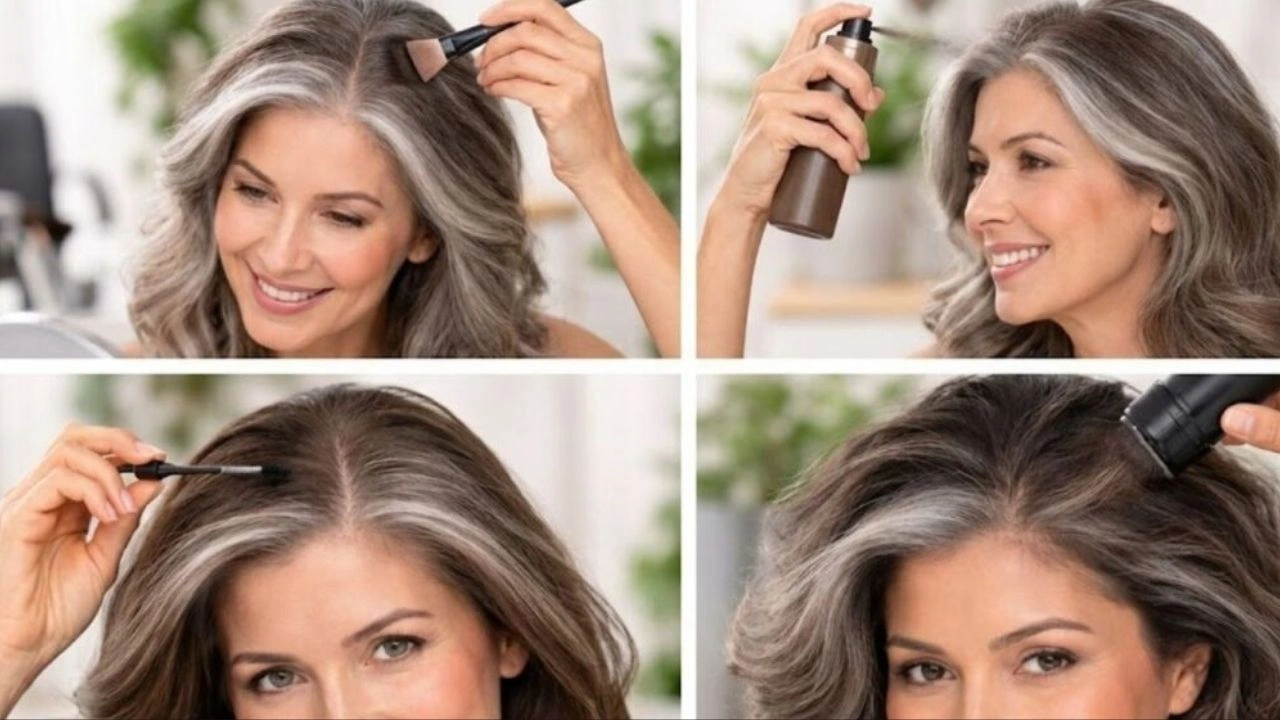
Grey coverage is undergoing a real transformation, and it is changing the way we think about aging and beauty. The old approach of covering every single grey strand with harsh, permanent color is quickly falling out of favor. Now, the trend is leaning into natural tones, soft blending, and hair that looks alive, not artificially altered. Instead of trying to erase the signs of time, people are choosing to work with their grey, not against it.
In this article, we will take a closer look at the modern world of grey coverage, where blending techniques, light-reflecting glosses, and thoughtful color strategies replace outdated full-dye routines. Whether you are noticing your first greys or tired of root touch-ups every three weeks, this guide shows you how to maintain a youthful look while embracing your natural beauty.
The Rise of Gentle Grey Coverage
Grey coverage today is about balance. It is no longer about hiding every grey hair. Instead, it is about creating a natural, lived-in look that feels fresh, polished, and intentional. This shift is not just about style but also about freedom. Clients are looking for realistic, low-maintenance options that make them feel confident without overcommitting to constant upkeep.
Stylists now use techniques like soft glazes, subtle lowlights, and face-framing highlights that bring light to the face while letting some of the grey peek through. It is all about lowering the contrast, which helps skin appear brighter and gives the whole look a softer, more youthful feel. The results speak for themselves: less visible regrowth, fewer salon visits, and hair that feels like it belongs to you—not a box of dye.
Overview of the Modern Grey Coverage Shift
| Key Focus | Description |
| Color Strategy | Focus on blending rather than full coverage |
| Products Used | Semi-permanent glosses, demi colors, toners |
| Hair Health | Less chemical damage with softer formulas |
| Salon Frequency | Appointments spaced 8 to 12 weeks apart |
| Maintenance Routine | Simple upkeep with purple shampoos and shine serums |
| Visual Effect | Natural and dimensional instead of flat and uniform |
| Client Preference | Desire for natural look, not full dye |
| Common Techniques | Face-framing highlights, root shadows, glossing |
| Benefits | Softer appearance, youthful glow, lower contrast |
| Trending Terms | Grey blending, hair contouring, low-commitment coloring |
From Full Coverage to Gentle Camouflage
Walk into any modern salon and you will hear a common request: “I want my hair to look natural, not dyed.” This is where the concept of grey blending comes in. Instead of aiming for complete coverage, stylists use semi-permanent colors and translucent washes to guide how and where grey shows up.

The beauty of this approach is that it does not scream for attention. It lets the natural silver blend in with your base color, creating dimension and softness. Glosses and root shadows are key players here, allowing grey to be camouflaged without hiding it completely. Clients love it because it looks effortless and lasts longer than traditional full-coverage color jobs.
What to Do with Gray Hair: When It Looks Beautiful and When to Dye It
Knowing when to dye and when to blend comes down to personal preference and lifestyle. For some, embracing grey fully with a light gloss or shine serum offers a clean, sophisticated look. For others, a mix of blending techniques helps maintain a refreshed appearance without erasing every silver strand.
If your grey hair feels coarse or dull, a translucent glaze can soften the texture and boost shine. If regrowth lines bother you, lowlights can break up the stark transition between dyed and natural hair. The important thing is to work with a stylist who understands your goals and can build a strategy that fits into your daily life. Whether you are going fully natural or just easing into the change, the goal is always the same: hair that reflects your style, not your age.
A Real-Life Transformation
Karen, a 52-year-old woman from London, is a perfect example of how grey blending can make a huge impact. Tired of constant root touch-ups and a solid wall of color, she asked her stylist for something different. Instead of the usual dark dye, she received a soft mushroom-brown glaze, paired with ultra-fine highlights around her face.
The result was stunning. The line between grey and dyed hair disappeared, replaced by a smoky, natural finish. Eight weeks later, there were no obvious signs of regrowth, and Karen felt younger and more at ease. Not because the grey was gone, but because she was no longer fighting it.

Why Gray Blending Softens the Face
One of the most underrated benefits of grey blending is how it affects the way your face looks. Solid, dark color can often create harsh lines and draw attention to facial features you would rather soften. In contrast, blending grey tones naturally reduces this contrast and helps brighten the skin.
This technique is often called hair contouring. Stylists use light and shadow to shape how the eye sees your face. Adding brightness around the cheekbones or temples can lift your features and create a more youthful look. It is subtle, but powerful—and it works across all ages and hair types.
The Modern Formula for Youthful Gray Hair
Modern grey coverage relies on a mix of smart strategies. Demi-permanent tones soften stark white strands without committing to full color. Lowlights are placed strategically to add depth and break up large patches of silver. And fine, almost invisible highlights near the face help draw light to the areas you want to brighten.
What makes this formula work long-term is its flexibility. It does not require exact root touch-ups every few weeks. It allows for a more forgiving grow-out process, and with the right products, maintenance becomes effortless. Purple shampoo once a week, a lightweight oil, and a soft shine spray are often all you need to keep your look polished.
A Quieter, More Confident Shift
This new approach to grey hair goes beyond appearances. It is about shifting the mindset around aging and self-image. When you stop trying to cover up and start enhancing what you already have, something powerful happens: confidence.

Stylists have noticed that clients are no longer obsessed with covering every grey. Instead, they are asking for styles that make them feel awake, refreshed, and natural. Whether that means adding soft fringe, lifting the neckline with a new cut, or simply letting some grey shine through, the result is the same. People feel more like themselves—and that is the real goal.
Common Mistakes That Undermine Results
- Choosing shades that are too dark, which can harden facial features
- Using permanent box dye that creates a flat, heavy finish
- Skipping haircuts, which affects shape and overall style
- Overusing purple shampoo, making hair look dull
- Expecting instant results from one appointment
Avoiding these mistakes ensures that grey coverage stays soft, natural, and flattering.
Rethinking Age, Hair, and Control
Letting go of the idea that grey needs to be hidden opens up room for creativity. People start experimenting with layers, texture, and natural finishes that celebrate their current look rather than fight it. Friends notice the change—not because of what is missing, but because of what is glowing.
The biggest win is control. When grey becomes a design choice rather than something to cover up, it puts you back in charge. Whether you choose blending, glossing, or lightening up completely, you get to decide how your hair tells your story.
FAQs
What is grey blending and how is it different from regular dyeing?
Grey blending uses soft tones and highlights to merge grey with natural hair, creating a balanced, natural look instead of full coverage.

How long does modern grey coverage last?
With proper care, grey blending can last up to 8 to 12 weeks between appointments, reducing the need for constant touch-ups.
Does grey blending work on all hair types?
Yes, it can be tailored for all textures—whether straight, curly, thick, or fine—by adjusting techniques and product choice.
Is grey coverage damaging to hair?
No, when done with semi or demi-permanent products and low-heat styling, it is gentler and less damaging than traditional dyes.
Can I go back to full color if I try grey blending and do not like it?
Absolutely. Grey blending is a low-commitment method, and full coverage can always be reintroduced by your stylist if desired.