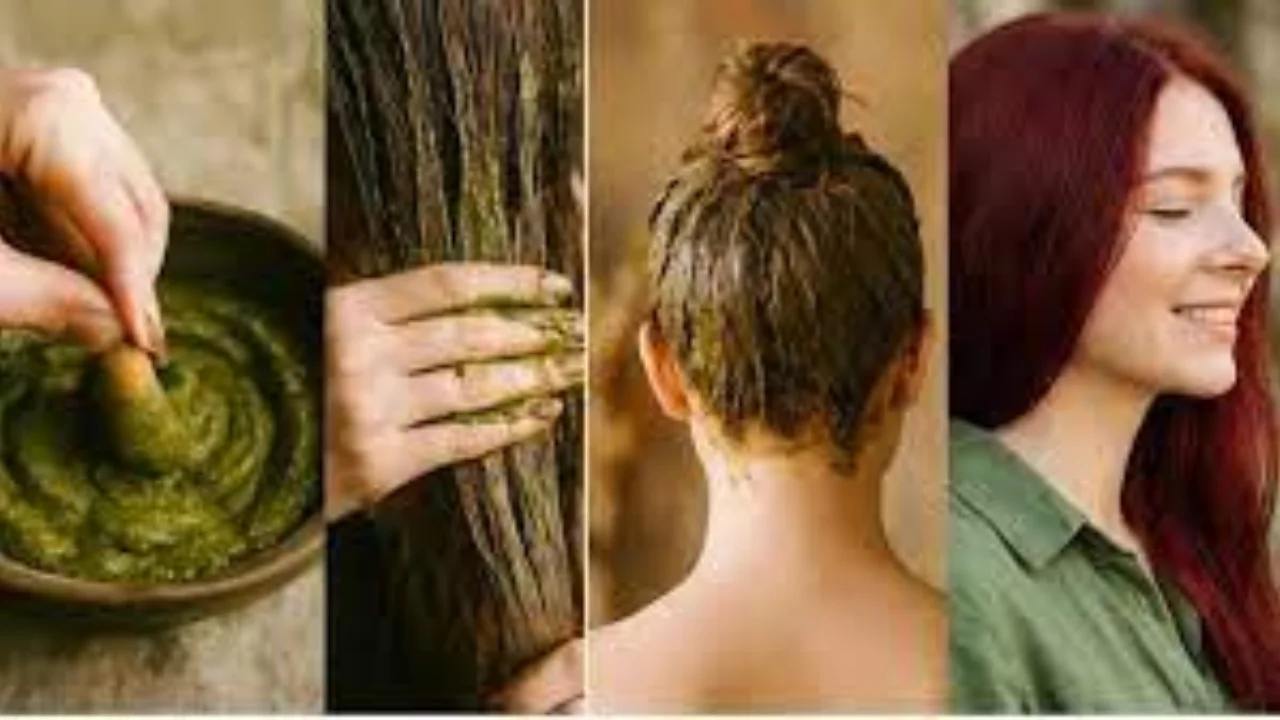
Safe Henna Blends: Safe Henna Blends are becoming the first choice for people who want rich hair colour without harsh chemicals. If you are tired of strong chemical smells, scalp irritation, and dull results, it may be time to explore Safe Henna Blends as a natural option. More people in 2026 are shifting toward plant-based beauty, and natural hair dye solutions are leading this trend.
This guide will walk you through how Safe Henna Blends work, how to choose high-quality ingredients, and how to mix them for deep, long-lasting shades. You will learn practical application tips, ingredient combinations, layering techniques, safety advice, and aftercare methods that help maintain shine and colour depth. Whether you want copper tones, rich browns, or subtle gloss, this article will help you achieve beautiful results safely.
Safe Henna Blends for Natural, Long-Lasting and Damage-Free Hair Colour
Safe Henna Blends offer a plant-based way to colour hair while improving its strength and shine. Unlike synthetic dyes that open the cuticle and strip natural oils, henna gently binds to keratin and forms a protective layer around each strand. This makes hair appear thicker, smoother, and healthier after every use. When blended with natural powders like indigo or amla, henna can create shades ranging from warm copper to deep chocolate brown. The key is choosing pure, body art quality henna without metallic salts or chemical additives. As the demand for clean beauty products grows in 2026, many hair experts recommend switching to natural hair colour solutions that support scalp health and reduce long-term damage. With the right blend and patience, you can achieve vibrant colour that lasts for weeks.
Overview of Safe Henna Blends
| Key Aspect | Details |
| Main Ingredient | Pure henna from Lawsonia inermis plant |
| Colour Range | Copper, auburn, chestnut, brown, near black |
| Suitable For | Natural hair, grey coverage, chemically untreated hair |
| Major Benefit | Strengthens and coats hair strands |
| Longevity | Lasts 4 to 6 weeks or more |
| Application Time | 2 to 4 hours processing |
| Best Mixing Liquid | Warm tea, water, or herbal infusion |
| Add On Ingredients | Amla, indigo, cassia, aloe vera |
| Safety Tip | Always perform patch and strand test |
| Aftercare | Use mild shampoo and limit sulfates |
Why Henna Feels Magical Without Chemical Damage
When you compare store bought dyes with henna, the difference is clear. Chemical dyes often contain ammonia and peroxide, which can weaken hair over time. According to recent beauty industry reports in 2026, more than 40 percent of consumers prefer natural hair products due to scalp sensitivity and long term damage concerns.
Henna works differently. It comes from the Lawsonia inermis plant and has been used for centuries. When mixed with warm liquid, it releases a natural dye molecule that binds with hair protein. Instead of breaking the hair shaft, it coats it. This gives shine, strength, and a fuller look. Many users say their hair feels thicker after regular use of Safe Henna Blends.

Choosing Pure Henna: What You Need to Know
Quality matters. Not all henna powders are pure. Some products labeled as henna contain chemical dyes or metallic salts. These can cause uneven colour or reactions with previously dyed hair.
Look for body art quality henna that is finely sifted and smells fresh and grassy. It should not have a strong artificial scent. Freshness also affects results. Old henna may not release strong colour. Reading labels carefully and buying from trusted suppliers ensures you are using genuine Safe Henna Blends that give predictable results.
Simple Henna Setup for a Perfect Application
You do not need expensive tools. A glass or ceramic bowl, gloves, an applicator brush, plastic wrap, and an old towel are enough. Avoid metal bowls because they may interfere with the dye release.
Mix the henna with warm liquid until it reaches a yogurt like consistency. Let it rest for several hours to allow dye release. Apply to clean, dry hair and cover properly. Patience is important because henna works slowly. This slow process is one reason why Safe Henna Blends deliver deep, lasting colour.
Essential Henna Ingredients and Their Benefits
Certain plant powders can enhance results and create custom shades.

- Amla Powder
Balances bright red tones and creates cooler auburn shades. Adds volume and shine. - Indigo Powder
Darkens henna to brown or near black. Ideal for strong grey coverage. - Cassia
Adds shine with mild golden warmth. Perfect for light hair. - Aloe Vera Gel
Improves moisture and helps create smoother paste. - Chamomile or Black Tea
Enhances tone depth depending on hair colour.
Blending these ingredients carefully helps you create personalized Safe Henna Blends for different hair goals.
Classic Henna Recipe for Copper Tones
For warm copper shades, mix pure henna powder with strong black tea or warm water. Stir until smooth and let it rest for 4 to 8 hours. Apply evenly and leave it on for 2 to 4 hours.
After rinsing, the colour may look bright orange. Do not worry. Oxidation over the next two to three days will deepen it into copper or auburn. This gradual change is normal and part of the natural colouring process used in Safe Henna Blends.
Achieving Richer Tones with Plant Blends
If you want darker shades, use a two step method. First apply henna to create a red base. After rinsing, apply indigo paste to darken the shade. This method works well for covering grey hair and achieving brown or deep chocolate tones.
For softer results, mix amla with henna to tone down brightness. Layering applications over time also deepens colour naturally. Many people prefer this controlled approach because it avoids sudden drastic changes while still delivering rich results through Safe Henna Blends.

Henna Gloss for a Gentle Shine
Not ready for full colour? Try a henna gloss. Mix a small amount of prepared henna paste with silicone free conditioner. Apply it like a hair mask and leave for about one hour.
This method adds subtle warmth and noticeable shine without dramatic colour shift. It is a gentle introduction to Safe Henna Blends and works well for maintaining colour between full applications.
Finding the Perfect Shade Through Layering
Henna builds gradually. Light hair turns golden copper. Medium shades shift toward chestnut. Dark hair shows red highlights in sunlight. Grey hair becomes warm highlights instead of flat white strands.
Since henna fades slowly, starting light is wise. You can always deepen the tone with another application. Layering helps create dimension and natural variation while keeping hair strong and healthy.
Henna Safety and Hair History Awareness
Always perform a patch test 24 hours before full application. If you previously used chemical dyes, do a strand test first. This is especially important if metallic salts were involved.

Pure henna is generally safe, but quality is crucial. Protect your hairline with oil to avoid staining. Work in a well ventilated space and allow full processing time. Following these steps ensures that your experience with Safe Henna Blends is both safe and satisfying.
Aftercare and Long-Lasting Results
Rinse thoroughly with warm water. Many experts suggest avoiding shampoo for the first 24 hours to let the colour settle. Use mild, sulfate free shampoo afterward to preserve vibrancy.
Regular gloss treatments and root touch ups help maintain even colour. With proper care, Safe Henna Blends can deliver vibrant, glossy results for weeks while improving hair texture over time.
FAQs
1. How long do Safe Henna Blends last?
They typically last 4 to 6 weeks and fade gradually without harsh lines.
2. Can henna fully cover grey hair?
Yes, especially when combined with indigo in a two step process.

3. Is henna suitable for sensitive scalp?
Pure henna is generally gentle, but a patch test is always recommended.
4. Can I lighten my hair with henna?
No, henna cannot lighten hair. It only adds tone and depth.
5. How often can I apply henna?
You can apply it every 4 to 6 weeks or use gloss treatments in between.